

Home > News > Industry trends
More
Featured Products

Industry trends
Unlocking the Sounds of the Jurassic: A New Era of Paleontological Insight
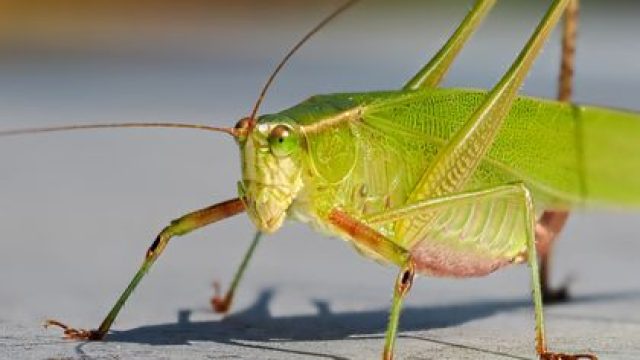
Recent advancements in artificial intelligence have allowed scientists to recreate the sounds of prehistoric insects, enhancing our understanding of Jurassic ecosystems and their inhabitants.
Key Takeaways
- AI has enabled the simulation of extinct insect sounds from the Jurassic period.
- Research sheds light on the ecology and behavior of 165 million-year-old species.
- The study involved analyzing fossilized wings of ancient insects.
- Insights gained can reshape our understanding of ancient ecosystems.
- This research may inspire future explorations in paleobiology.
The Intersection of AI and Paleontology
In an exciting blend of technology and science, researchers have harnessed artificial intelligence to recreate the sounds of Jurassic-period insects. This innovative approach provides a unique auditory glimpse into a world that existed around 165 million years ago. By modeling the wings of these extinct species, scientists have generated chirps reminiscent of katydids, offering a new dimension to our comprehension of ancient life.
How the Research Was Conducted
The groundbreaking study began with the collection of fossilized wings, carefully preserved in sedimentary rocks. By analyzing the intricate structures and patterns of these wings, scientists could deduce how the insects might have produced sound. The team employed AI algorithms to simulate how air would have passed over these wings, resulting in a recreation of the sounds these creatures made.
Why This Research Matters Now
As we face rapid environmental changes today, understanding the past becomes increasingly vital. This research not only enriches our knowledge of the Jurassic ecosystem but also highlights how species interacted with their environment. By revealing what life sounded like millions of years ago, scientists are gaining insights that could inform current conservation efforts.
Implications for Future Research
The implications of this study extend beyond mere auditory curiosity. The ability to visualize and hear the past opens avenues for further research in several areas:
- Paleobiology: By understanding how these insects lived and communicated, researchers can draw parallels with modern species.
- Climate Studies: Examining ancient ecosystems helps scientists predict responses to current environmental changes.
- Interdisciplinary Collaboration: This work exemplifies how merging different fields, such as technology and biology, can lead to groundbreaking discoveries.
Frequently Asked Questions
What type of insects were studied in this research?
The study focused on katydid-like insects from the Jurassic period, analyzing their fossilized wings to recreate their sounds.
Why is AI used in this study?
AI helps in accurately modeling the sound production mechanisms based on the structural features of fossilized insect wings.
How can this research impact our understanding of ecosystems?
By providing insights into the interactions and behaviors of ancient species, it helps us understand the dynamics of today’s ecosystems.
What other areas could benefit from this technology?
This technology may enhance studies in ecology, conservation, and even enhance educational tools in paleontology.
Is this type of research common in paleontology?
While not commonplace, the use of AI in paleontology is growing, offering new methods of analyzing and interpreting fossil data.
- Previous:Why Dulquer Salmaan's 'I’m Gam
- Next:The AFL Elimination Final: Key