


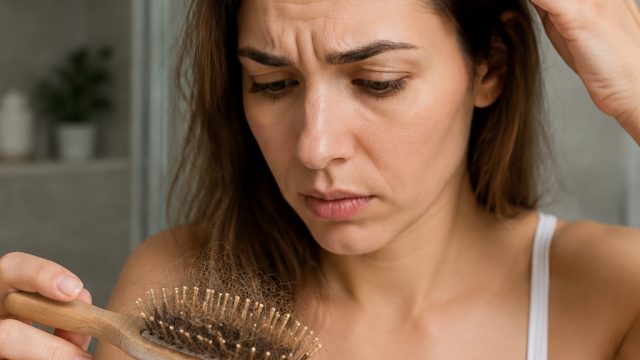
Understanding Hair Thinning vs. Shedding: Key Insights for Better Care
In the world of hair care, understanding the distinctions between hair thinning and hair shedding is crucial, especially as many individuals face hair-related issues today. With a growing focus on hair health, recognizing the signs of each condition can lead to more effective treatment strategies. This article delves into the differences between hair thinning and shedding, shedding light on why it matters now more than ever.
What is Hair Shedding?
Hair shedding refers to the natural cycle of hair loss that every person experiences. On average, losing 50 to 100 hairs per day is completely normal, but factors like stress, hormonal changes, and certain medical conditions can lead to excessive shedding.
Identifying Shedding Patterns
- Seasonal Shedding: Many people notice increased hair loss during specific seasons, particularly in the fall.
- Stress-Induced Shedding: Emotional or physical stressors can trigger a sudden increase in hair loss.
- Postpartum Shedding: New mothers often experience increased shedding due to hormonal shifts.
Understanding Hair Thinning
Unlike shedding, hair thinning is a gradual process often linked to genetics, aging, and hormonal changes. It typically leads to a broader, more diffuse loss of hair density, impacting the overall fullness of the hair.
Causes of Hair Thinning
Several factors contribute to hair thinning, including:
- Genetics: A family history of hair loss significantly increases the likelihood of thinning.
- Hormonal Changes: Conditions such as menopause or thyroid dysfunction can drastically impact hair density.
- Diet and Nutrition: A poor diet lacking essential nutrients can lead to weakened hair.
The Impact of Lifestyle Choices
Your lifestyle can greatly influence both hair thinning and shedding. Making informed decisions can help mitigate these conditions, ensuring healthier hair over time.
Healthy Practices for Hair Maintenance
Consider incorporating the following routines into your daily life to foster better hair health:
- Balanced Nutrition: Incorporate foods rich in vitamins and minerals, such as iron and biotin, which are crucial for hair strength.
- Regular Exercise: Physical activity enhances blood circulation, promoting nutrient delivery to hair follicles.
- Stress Management: Practicing mindfulness and relaxation techniques can help reduce stress-induced shedding.
Effective Treatments and Solutions
Identifying whether you are experiencing hair thinning or shedding is essential in determining the right treatment path. Several options exist depending on the underlying cause of your hair concerns.
When to Seek Professional Help
If you notice significant changes in your hair, consulting a professional can help. Dermatologists or trichologists can provide tailored advice and treatment plans based on your specific condition. Potential treatments include:
- Minoxidil: A topical treatment that can stimulate hair growth for both thinning and shedding.
- Prescription Medications: Depending on the cause, certain medications can help balance hormonal levels impacting hair health.
- Hair Transplant Surgery: In cases of severe thinning, surgical options may be required.
Conclusion: Prioritize Your Hair Health
Understanding the difference between hair thinning and hair shedding is crucial for effective management and treatment. Amidst rising concerns over hair health, being proactive about your hair care routine can make all the difference. Whether you are experiencing the temporary effects of shedding or the gradual nature of thinning hair, taking steps to maintain your hair health can lead to positive outcomes. Stay informed, consult professionals when necessary, and embrace practices that support your hair's vitality.